Sublimation Background, Wood Backgrounds: A Designer's Guide
That moment when a project feels incomplete, like it's missing a layer of depth or a touch of authenticity, is familiar to many creators. The solution often lies in the foundation—the background. A flat color can work, but for projects that demand texture, warmth, and a sense of tangible reality, a high-quality background is non-negotiable. This is where a versatile resource like the Sublimation Background, Wood Backgrounds collection enters the workflow, offering a bridge between digital design and organic, physical appeal.
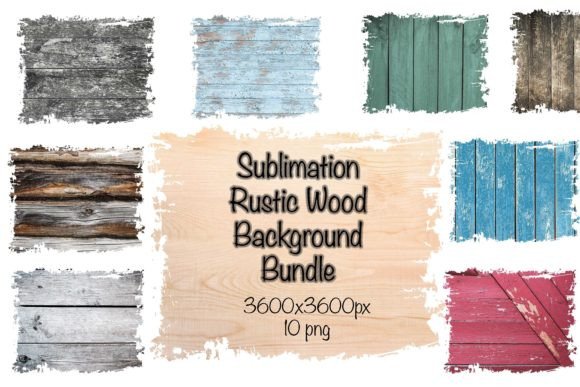
At its core, this collection is a set of ten meticulously crafted PNG files, each presenting a distinct wood grain texture. These aren't simple, repetitive patterns. They are designed to mimic the nuanced character of real wood—subtle knots, natural grain lines, and variations in tone that provide visual interest without overwhelming the main content. The personality of these backgrounds is grounded and authentic. They evoke a sense of craftsmanship, durability, and warmth, making them a powerful tool for designers aiming to create a specific mood. Whether you're working on a rustic brand identity or a modern product mockup, the style of these wood backgrounds adds an instant layer of credibility and tactile appeal.
Practical Applications Across Creative Projects
The true value of any design asset is measured by its versatility. These wood backgrounds excel precisely because they adapt to so many different contexts. For graphic designers, they are a go-to for creating social media graphics that stop the scroll. Imagine a quote card or promotional post set against a weathered oak texture; it immediately feels more substantial and shareable than one on a plain background. For marketers and brand strategists, incorporating these textures into presentations, pitch decks, or website hero sections can communicate a brand's values—like sustainability, authenticity, or handcrafted quality—without a single word.
The applications extend deeply into product-based businesses. A small business owner selling custom mugs, coasters, or signage can use these backgrounds to create professional mockups. Placing a product design onto a realistic wood surface in a product listing helps customers visualize the final item, boosting confidence and conversion rates. Similarly, bloggers and content creators can use them to design consistent blog headers, Pinterest pins, or YouTube thumbnails that establish a recognizable visual style. The file specifications are built for this professional use: 300 DPI resolution and a 3600 x 3600 pixel dimension ensure the backgrounds are print-ready and scalable for large-format projects without losing clarity.
Integrating Texture with Typography and Design
A common challenge when using textured backgrounds is maintaining readability. The key is to treat the texture as a supporting actor, not the lead. When overlaying text, especially for web design or editorial design, consider using a clean, bold sans serif font or a strong serif font with good weight. This creates a clear contrast against the organic lines of the wood grain. A light-colored text on a darker wood background, or a deep charcoal text on a lighter, bleached wood surface, often achieves the best hierarchy. For more expressive projects, like a logo design for a coffee shop or a brewery, pairing a script font or a handwritten font with a subtle wood texture can amplify the brand's artisanal feel, but it requires careful testing to ensure legibility at small sizes.
When evaluating these backgrounds for your project, consider the emotional tone you need. A dark, rich walnut grain might suit a luxury brand or a formal dinner event invitation, while a sun-bleached, weathered pine could be perfect for a coastal or outdoor lifestyle brand. The included zip pack offers ten variations, giving you a curated palette to work with. This allows for consistency across a campaign while providing enough variety to keep designs fresh. Always test your font pairing directly on the actual background file. What looks good in theory might need adjustment in practice—sometimes a slight drop shadow or a semi-transparent color overlay behind the text can improve readability without hiding the beautiful texture.
Ultimately, these sublimation backgrounds are more than just decorative elements; they are strategic design assets. They help build a cohesive brand identity, enhance visual hierarchy, and add a layer of professionalism that resonates with audiences. By choosing the right texture and applying it thoughtfully, you transform a simple design into an engaging experience that feels both intentional and authentically crafted. For creators in the digital and physical space, having a reliable resource for such foundational elements is not just convenient—it's essential for producing work that connects and endures.