Red Stained Glass Window Backgrounds: A Designer's Guide
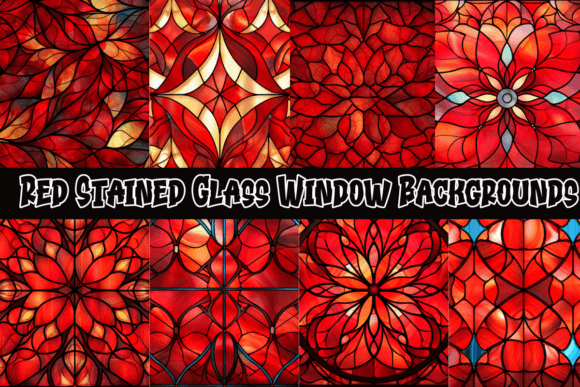
There's a certain quality to light filtering through stained glass that stops you in your tracks. It's a combination of deep color, intricate pattern, and a story told in fragments. Our Red Stained Glass Window Backgrounds collection is built to capture that feeling. We're not just offering a texture; we're providing a versatile design asset that carries the weight of history, artistry, and emotional resonance. These backgrounds are meticulously crafted to serve as a foundation for projects that need to communicate depth, tradition, and a touch of the ethereal.
The Visual Language of Crimson and Lead
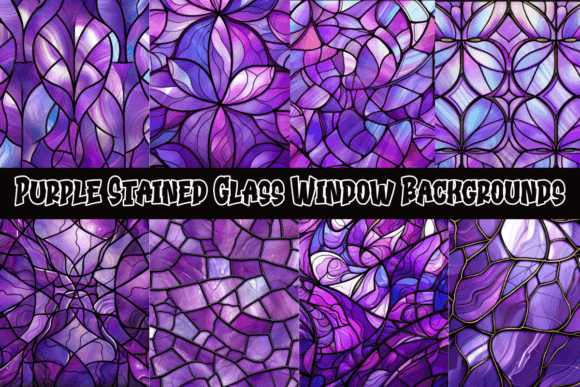
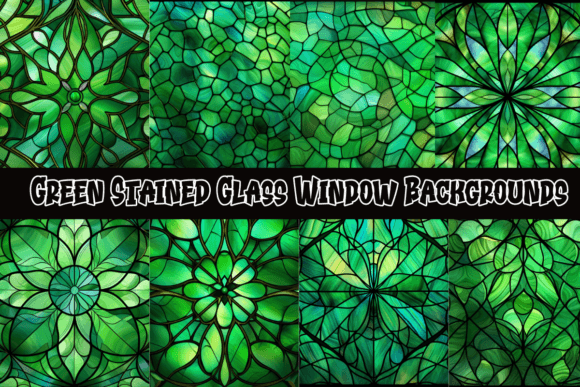
At its core, a stained glass window is a study in structure and color. Our collection focuses on the rich, commanding presence of red, a color historically associated with passion, importance, and vitality. The backgrounds feature intricate patterns—geometric, floral, and narrative—that mimic the leading of real glass. This creates a strong visual framework. The interplay between the deep, saturated reds and the darker, often black or grey, "leading" lines provides excellent visual hierarchy. Text or focal design elements placed over these areas can achieve stunning contrast without feeling disjointed, as the background itself already establishes a clear order.
The personality of these backgrounds is unmistakable. They feel historic yet timeless, ornate yet structured. This isn't a subtle, whispering aesthetic. It's a confident, statement-making style. The appeal lies in its ability to instantly elevate a design, adding a layer of sophistication and narrative depth that a flat color or a simple gradient cannot. It’s a style that commands attention and sets a specific, often reverent or dramatic, tone.
Practical Applications: Where This Background Truly Shines
Knowing where a design asset works best is half the battle. These Red Stained Glass Window Backgrounds are exceptionally versatile for certain project types where atmosphere and branding are key.
- Branding & Identity: For businesses in luxury niches—high-end boutiques, artisan bakeries, boutique hotels, or even law firms seeking a classic, established feel—these backgrounds can be a cornerstone of a brand identity. Use them for website hero sections, business card backs, or packaging sleeves to instantly convey a sense of heritage and quality.
- Editorial & Publishing Design: In editorial design, such as magazine feature headers, book covers (especially for historical fiction, fantasy, or theology), or restaurant menus, a stained glass background adds instant gravitas. It provides a rich, textured canvas that makes typography pop and sets the mood from the first glance.
- Digital & Social Media: In the crowded space of social media graphics, these backgrounds help content stand out. They are perfect for quote graphics, podcast cover art, or promotional banners for events like weddings, galas, or cultural exhibitions. The pattern is detailed enough to look high-quality at a glance, even on a small phone screen.
- Packaging & Print: For packaging design, particularly for products like gourmet foods, wines, candles, or artisanal goods, a stained glass motif can evoke craftsmanship and tradition. It translates beautifully to print on boxes, labels, and gift tags, adding a tactile, premium feel.
It's also worth considering personal projects. Think of custom wedding invitations, anniversary cards, or even a striking background for a personal blog header. The goal is to use it where the project calls for a narrative, a mood, and a break from the minimalist, flat-design trends that dominate much of the digital landscape.
Making It Work: A Practical Guide for Creatives
Adopting a strong visual background like this requires a thoughtful approach. Here’s how to integrate it effectively into your workflow.
Evaluating Fit and Readability
First, assess the project's tone. Does it need to feel authoritative, romantic, or historic? If yes, you're on the right track. The most critical technical consideration is readability. The complex pattern can compete with text. The solution is contrast. Use bold, clean typefaces—often a strong sans serif font or a classic serif font with good weight. Always test your text overlay on the actual background. Sometimes, placing a semi-transparent dark or light panel behind your text block is the best way to ensure clarity without losing the background's impact.
Font Pairing and Hierarchy
The background is ornate, so your typography should provide balance. A common and effective strategy is to pair it with a modern typography choice. For example, a clean, geometric sans serif for body text and a elegant serif font for headlines can create a beautiful dialogue between the contemporary and the classic. Avoid overly decorative script fonts or handwritten fonts for large blocks of text, as they can become illegible. Instead, use them sparingly for accents or logos where the background is less busy.
Testing and Customization
Don't just use the background as-is. Experiment. Can you adjust the saturation or hue slightly in your design software to better match your brand's color palette? Can you use a portion of the pattern, cropped creatively, for a secondary graphic element? The collection offers variety, so review all included styles. Some patterns may be more geometric, others more floral—choose the one that best supports your content's message.
Understanding Licensing
Finally, always clarify the licensing. For any commercial project—whether it's a client's website, a product for sale, or marketing materials—ensure you have the appropriate commercial font and asset license. This protects you and your clients and ensures you're using the premium font and design assets legally. It's a professional step that underpins the integrity of your work.
In the end, Red Stained Glass Window Backgrounds are more than just a pretty pattern. They are a strategic design asset. Used thoughtfully, they can transform a standard layout into a compelling story, build immediate brand recognition, and create an emotional connection with your audience. They are a tool for designers who want to make a lasting impression, not just a quick visual. Start by testing one in your next project where the mood is right, and see how it changes the conversation your design has with its viewer.