Blue & Turquoise Watercolor Backgrounds: A Designer's Guide
Understanding the Visual Character
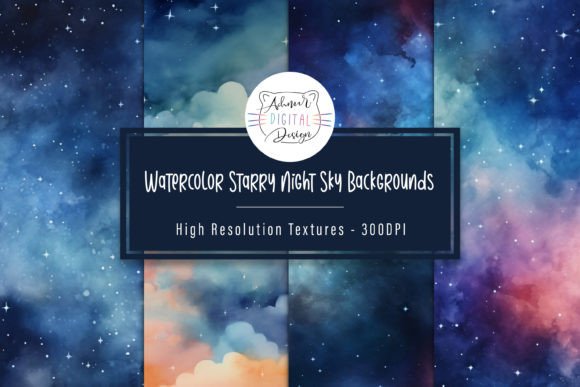
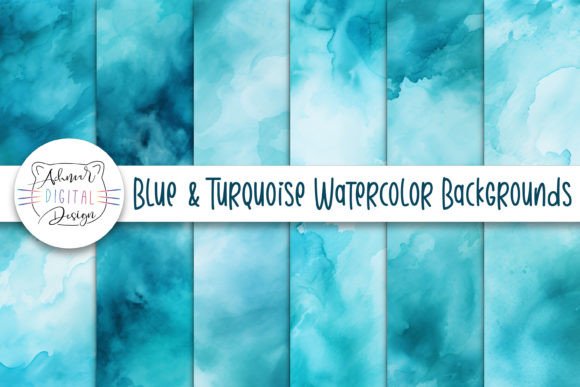
There’s a specific feeling you get when you open a digital asset that just works. It’s not about flashiness or complexity, but about a certain rightness. That’s the immediate impression with these Blue & Turquoise Watercolor Backgrounds. They aren’t trying to be everything; they are unapologetically fluid, organic, and serene. The visual personality here is one of calm sophistication and natural elegance. Think of the way water bleeds on high-quality paper, creating soft edges and subtle variations in tone. These backgrounds capture that exact moment, frozen in a high-resolution JPEG. The blues range from deep, moody indigos to airy, almost translucent ceruleans, while the turquoises bring a vibrant, energetic warmth that prevents the palette from feeling cold. It’s a balance between tranquility and vitality, making it a versatile foundation for countless projects.
What makes these particular assets stand out is their cleanliness and clarity. At 300 DPI, every subtle gradient and organic edge is preserved with stunning fidelity. This isn’t a blurry, low-resolution texture that falls apart on a large screen or in print. It’s a premium quality resource designed for professional use. The overall style leans modern but with a timeless, handcrafted quality. It avoids the harshness of solid color blocks and the dated feel of some digital textures. Instead, it offers a living, breathing surface that adds depth and character without overwhelming your primary content. For a designer, that’s the holy grail—a background that enhances rather than competes.
Practical Applications Across Projects
Where do these backgrounds truly shine? Their utility is broader than you might initially think. In brand identity and logo design, they provide a stunning backdrop for minimalist logos or monograms. Imagine a crisp white sans-serif wordmark floating over a soft turquoise wash—it immediately communicates creativity, approachability, and a connection to nature or wellness. For entrepreneurs and small business owners in the skincare, coaching, or eco-friendly product space, this is a powerful visual shorthand.
In the realm of editorial design and packaging design, these assets are invaluable. Use them as chapter openers in a digital magazine, as the cover background for a report or e-book, or as the base for product packaging that needs to feel artisanal and high-quality. The watercolor effect adds a tactile, luxurious feel that a flat color cannot achieve. For web design and social media graphics, they are perfect for hero sections, promotional banners, quote cards, and story backgrounds. They create visual interest and stop the scroll without adding visual noise that distracts from your call-to-action or message. Bloggers and content creators can use them to create cohesive, professional-looking Pinterest pins or Instagram posts that build a recognizable aesthetic.
Integrating Into Your Design Workflow
Adopting a new design asset is about more than just liking how it looks; it’s about how it functions within your ecosystem. The first step is always evaluation. Open the files and assess the specific color values. Do the blues and turquoises align with your existing brand palette? Use a color picker tool to note the hex codes. This allows you to extend the palette into your typography, buttons, and other graphic elements for true cohesion. Next, consider scale and composition. Because these are high-resolution JPEGs, you can crop into them significantly without losing quality. Zoom in to find a section with the perfect balance of light and dark areas to place your text.
This leads to the critical consideration of readability. A watercolor background is inherently textured. To maintain a clear visual hierarchy and ensure your message isn’t lost, you’ll need to be strategic with your foreground elements. Use strong, high-contrast typography. A bold display font or a clean sans serif font often works best. For longer blocks of text, consider placing a semi-transparent shape (like a soft white or off-white rectangle) behind the text to create a clear reading field. This technique preserves the beauty of the background while guaranteeing legibility. It’s a simple trick that separates amateur work from professional web design and print layouts.
Maximizing Your Investment
You’re getting a zipped file with six distinct JPEG files. This variety is key. Don’t treat them as six copies of the same thing. Each file will have a unique flow, a different concentration of color, and a distinct mood. One might be predominantly deep blue with a splash of turquoise, ideal for a serious, professional tone. Another might be lighter and more turquoise-forward, perfect for a vibrant, creative project. Spend time reviewing each one. Create a sample mockup for each background—a social media post, a business card, a website header—to see how it performs in context. This hands-on testing is irreplaceable.
When it comes to font pairing, let the background guide you. Its organic nature pairs beautifully with both structured and flowing typefaces. Try a strong, geometric sans serif font for a modern, clean contrast. Alternatively, a elegant serif font can create a classic, editorial feel. For projects that need a more personal touch, like a wedding invitation or a boutique brand, a subtle script font or handwritten font can echo the handcrafted quality of the watercolor. The goal is harmony, not competition. The background sets the stage; your typography should be the clear lead actor.
Finally, understand the licensing. These are commercial font and asset files, meaning you are investing in the right to use them in projects for yourself and your clients. This is crucial for designers, agencies, and anyone creating work for commercial sale. It removes the legal ambiguity that often plagues free resources. You’re not just buying images; you’re buying peace of mind and professional-grade design assets. Integrate them into your library, label them clearly, and you’ll find yourself reaching for them time and again when a project calls for that perfect blend of natural beauty and polished professionalism. Don’t let them sit unused in a folder—let them elevate your next creation.