Yellow Brick Tile Backgrounds: A Designer's Guide
The Enduring Appeal of Textured Design
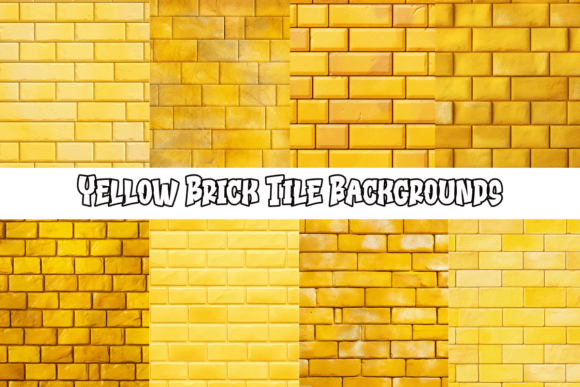
In a digital landscape saturated with flat, sterile imagery, the tactile quality of Yellow Brick Tile Backgrounds offers a powerful alternative. This collection isn't about mimicking a literal wall; it's about capturing the inherent character and warmth that comes from an age-old building material. Think of the subtle variations in color, from sun-bleached straw to deep ochre, and the slight imperfections in the mortar lines. This texture introduces a layer of visual interest and storytelling that a solid color simply cannot provide. It evokes feelings of stability, history, and craftsmanship, making it a versatile design asset for projects that need to feel grounded and authentic.
The personality of these backgrounds is one of timeless charm. They are not overly rustic or industrial, but rather balanced. They can feel cozy and traditional, or, with the right context, surprisingly modern and clean. This adaptability is key. A yellow brick tile pattern can serve as a warm, inviting backdrop for a food blog, a sturdy foundation for a construction company's branding, or a playful, textured element in a children's book illustration. The style leans into a classic, architectural aesthetic, but its application is limited only by your creativity.
Where Yellow Brick Tile Backgrounds Shine
Understanding where this asset works best is crucial for effective design. In brand identity, a textured background like this can establish a brand's personality instantly. Imagine a bakery using a subtle, light yellow brick pattern on its packaging or website header—it communicates handmade quality and a welcoming atmosphere without a single word. For logo design, the texture can be used as a subtle fill within a wordmark or icon, adding depth and uniqueness that helps a brand stand out.
For editorial design and publishing, these backgrounds excel. They make excellent chapter headers in books, featured image backgrounds for online articles, or textured paper for magazine layouts. The key is using it to create a visual hierarchy. A bold headline set in a clean sans serif font over a muted yellow brick tile background immediately draws the eye and establishes a clear focal point. In social media graphics, where scroll-stopping power is everything, this texture provides a ready-made stage. It adds production value to quotes, announcements, and promotional posts, making them feel more considered and professional.
Practical Applications for Digital and Print
- Web Design: Use as a hero section background, a subtle repeating pattern, or a textured sidebar. It pairs beautifully with both serif fonts for a classic feel and sans serif fonts for a contemporary look.
- Packaging Design: Ideal for artisanal products, crafts, or any brand that wants to emphasize natural ingredients or handmade processes. The texture suggests care and tradition.
- Presentations & Reports: Move beyond default templates. Using a textured background in a business presentation can make slides more engaging and memorable, helping to convey complex information in a more approachable way.
- Personal Projects: Perfect for creating custom invitations, holiday cards, or desktop wallpapers that have a unique, crafted feel.
Integrating Texture into Your Design Workflow
Simply dropping a background behind your content isn't enough. The real skill lies in integration. First, consider the color palette. The yellow tones in the brick are warm, so they pair exceptionally well with cool blues, greens, and grays for contrast. Creams, browns, and deep reds create a harmonious, analogous scheme. Always test your text for readability. A busy background requires high-contrast typography. A bold, dark font or a clean white typeface will ensure your message isn't lost.
Next, think about font pairing. A textured background has a lot of character, so your typography needs to complement it, not compete. A strong, simple display font for headlines can work well, as can a refined serif font for body text. Avoid overly decorative script fonts or handwritten fonts at small sizes, as they can become illegible. The goal is to create a balanced visual hierarchy where the texture supports the content.
Finally, always review the licensing. If you're using these backgrounds for a commercial project—a client's website, a product for sale, or paid advertising—ensure you have the proper commercial font or asset license. This protects both you and your client. Most importantly, experiment. Try adjusting the opacity of the background, applying a slight color overlay, or using it in just a section of your design. The best results often come from unexpected combinations, so use these Yellow Brick Tile Backgrounds