Alcohol and Ink Watercolor Backgrounds: Unlocking Ethereal Digital Art
In the world of digital design, texture is the secret ingredient that separates flat, lifeless work from something that feels tangible and alive. While clean vectors and solid colors have their place, there is a distinct hunger for organic imperfection right now. This is where Alcohol and Ink Watercolor Backgrounds come into play. They aren't just static images; they are complex, swirling ecosystems of color that mimic the unpredictable beauty of chemical reactions on paper. For designers, entrepreneurs, and creators looking to inject a sense of raw, artistic energy into their work, these digital assets offer a bridge between traditional fluid art and modern digital precision.
The Visual Language of Fluid Art
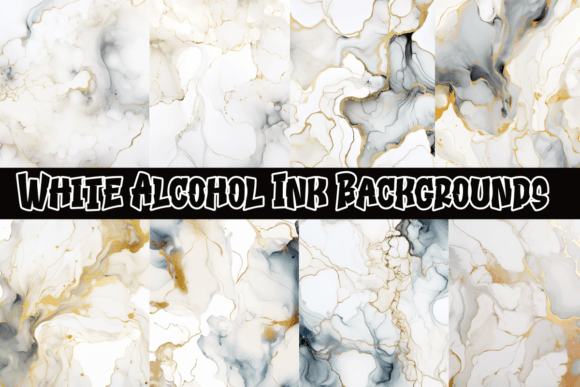
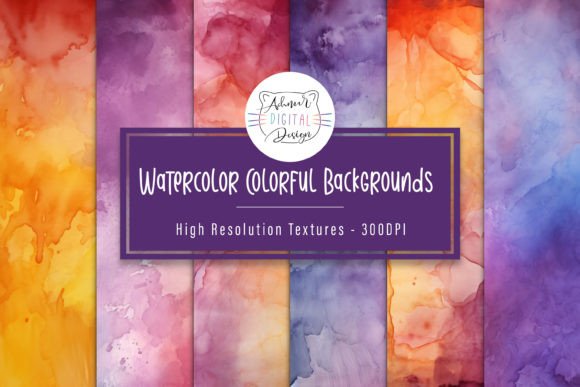
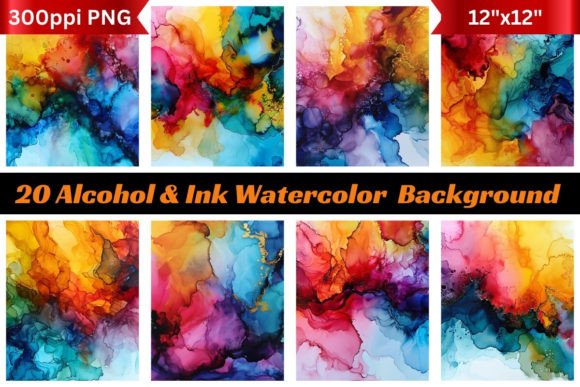
Understanding the appeal of Alcohol and Ink Watercolor Backgrounds requires looking beyond just the color palette. The defining characteristic of this style is the "bloom." Unlike standard gradients or digital noise, alcohol ink reacts in a specific way—spreading, pushing, and merging to create cell-like structures and hard edges. This results in a visual texture that feels incredibly tactile. You can almost feel the gloss of the ink or the absorbency of the paper through the screen.
For the brand strategist or designer, this visual language communicates specific traits: creativity, fluidity, and boldness. The personality of these backgrounds is often described as ethereal yet vibrant. They carry a modern aesthetic that appeals to a wide demographic, particularly in the wellness, beauty, fashion, and luxury sectors. When you use an alcohol ink backdrop, you are signaling that your brand or project values artistry and isn't afraid of color. It’s a departure from the rigid geometry of corporate minimalism, offering a breath of fresh air that feels both high-end and accessible.
Strategic Applications for Maximum Impact
The versatility of Alcohol and Ink Watercolor Backgrounds is one of their strongest selling points. Because they provide such high visual interest, they can anchor a design without needing a lot of supporting elements. This makes them incredibly practical for a variety of mediums.
In brand identity and logo design, these textures serve as a powerful stage. If you have a logotype—perhaps a bold sans serif or an elegant script font—placing it over a swirling ink background instantly elevates the mark from a simple graphic to a piece of art. This is particularly effective for stationery, business cards, and presentation covers where first impressions matter.
For web design and social media graphics, the challenge is often grabbing attention in a crowded feed. The organic movement within alcohol ink creates a natural focal point. It draws the eye in, encouraging the user to pause their scrolling. Marketers can use these as hero images on landing pages to evoke specific moods—deep blues and purples for a calming tech vibe, or hot pinks and golds for a festive, energetic promotion. The patterns are dynamic enough to support text overlays, ensuring your call-to-action remains readable while benefiting from the artistic backdrop.
Even in packaging design, these backgrounds are finding a niche. Product lines that focus on handmade goods, cosmetics, or artisanal foods can use these textures to mimic the look of custom wrapping paper or high-end box inserts. It adds a layer of perceived value to the product, suggesting that the item inside is just as special as the packaging.
Choosing and Pairing Your Assets
When integrating these backgrounds into your workflow, a little strategy goes a long way. First, consider the readability. Alcohol ink patterns can be busy. To maintain a professional look, you need to create contrast. This is where the choice of typography becomes critical. A heavy, geometric sans serif font often works best for headlines, as the clean lines cut through the organic chaos of the ink. Alternatively, using a semi-transparent color overlay or a "frosted glass" effect over the ink can soften the texture just enough to make body text legible.
Don't be afraid to experiment with font pairing. The fluid nature of the background pairs surprisingly well with structured serif fonts for a high-fashion editorial look. Conversely, pairing the ink with a playful handwritten font can create a whimsical, artistic vibe suitable for greeting cards or personal blogs. The key is to let the background provide the emotion while the typography provides the structure.
Practical Considerations for Professional Use
Before purchasing or downloading, always review the technical specifications. High-resolution files are non-negotiable for print projects. If you are creating a large banner or a poster, a low-res image will pixelate and destroy the illusion of the fluid texture. Look for assets that offer high DPI (dots per inch) to ensure the intricate details—the tiny cells and color blends—remain sharp.
Furthermore, always check the commercial licensing. If you are a small business owner using these backgrounds for client work or product packaging, you need to ensure the license covers commercial use. Many digital asset marketplaces offer different tiers, so verify that your intended use aligns with the terms. This protects you legally and ensures you are respecting the original artist's work.
Ultimately, Alcohol and Ink Watercolor Backgrounds are more than just a passing trend. They represent a shift toward more organic, human-centered design in a digital world. By incorporating these assets, you are not just adding color; you are adding depth, emotion, and a tactile quality that resonates with audiences on a subconscious level. Whether you are building a brand from scratch or refreshing a marketing campaign, these backgrounds offer a reliable way to ensure your work stands out with sophistication and artistic flair.