Timeless Charm for Modern Projects: Rustic White Wood Backgrounds
The Essence of Weathered Beauty
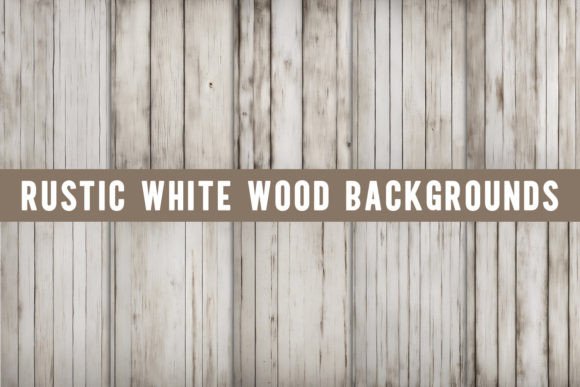
There is a specific kind of visual warmth that only natural textures can provide. In the world of digital design, finding that authentic, tactile feel can be a challenge. This is precisely where the Rustic White Wood Backgrounds collection excels. It’s not merely a set of images; it’s a toolkit for injecting soul into your work. The collection captures the subtle imperfections, the gentle grain, and the soft, sun-bleached character of aged white wood. Each of the 10 high-resolution JPG files, sized at a generous 3600x3600 pixels, offers a canvas that feels lived-in and genuine. The personality here is one of quiet sophistication and approachable elegance. It avoids the starkness of pure white, replacing it with a nuanced, creamy base that is both calming and incredibly versatile. This is the visual equivalent of a well-loved farmhouse table or a weathered beachside cottage—materials that tell a story.
Where Rustic Elegance Meets Practical Application
The true value of a premium design asset lies in its flexibility. These backgrounds are far more than just a pretty backdrop for a single project. Their strength is in their ability to adapt, to become the foundational layer that elevates a wide array of creative endeavors. Consider the entrepreneur building a brand identity for an artisanal bakery, a handmade cosmetics line, or a boutique homewares store. The texture of this Rustic White Wood Background immediately communicates craftsmanship, quality, and a personal touch. It becomes a core part of the brand's visual language, used consistently across the logo design, website, and packaging design.
For social media graphics and digital marketing, the effect is equally powerful. In a feed crowded with sterile, overly polished images, a background with this level of organic texture stops the scroll. It provides a perfect stage for product photography, making items pop with a natural, professional look. Bloggers and content creators can use it to create cohesive headers, quote graphics, and promotional materials that feel unified and intentional. The high resolution means it scales beautifully, ensuring crispness whether it’s viewed on a smartphone or a high-definition monitor.
Even in more formal applications, its charm holds. Imagine a presentation for a creative agency or a design portfolio. Using these backgrounds for section dividers or title slides adds a layer of modern typography interest without distracting from the content. It signals a designer’s attention to detail and an understanding of how texture influences perception. For editorial design, such as in magazines, lookbooks, or e-books, it can frame articles or set a thematic tone, proving that rustic elements can coexist beautifully with clean, contemporary layouts.
Integrating Texture into Your Design Workflow
Adopting a new asset into your workflow should be intentional. The first step is to evaluate the fit for your specific project’s tone. Ask yourself: does the narrative I’m building align with warmth, authenticity, or handcrafted quality? If the answer is yes, you have a strong match. The next practical step is to test it. Don’t just place your logo on it in isolation. Create a mockup of a full social media graphics post or a website hero section. Observe how the texture interacts with your chosen typeface.
This brings us to a critical point: pairing. A Rustic White Wood Background provides a complex, organic base. To maintain readability and establish a clear visual hierarchy, your typography needs to offer contrast. A clean sans serif font often works exceptionally well, its geometric precision playing beautifully against the wood’s irregular grain. Alternatively, a classic serif font can enhance the timeless, established feel. You might even pair it with a delicate script font or handwritten font for accents, but use these sparingly for headlines or calls-to-action to avoid visual clutter. The goal is harmony, not competition.
From a technical standpoint, the included JPG files are your workhorses. Their square format and high resolution provide ample room for cropping and adjustment. You can easily modify the color balance, add a subtle gradient overlay, or adjust the brightness to seamlessly integrate it into a larger design assets library. Because these are raster images, they are perfect for direct use in projects where a photo-realistic texture is needed. For the small business owner or crafter creating printables, invitations, or product tags, these backgrounds add a professional polish that is difficult to achieve with flat colors alone.
Ultimately, incorporating this collection is about making a strategic choice for your project’s atmosphere. It’s about choosing to communicate a set of values—warmth, reliability, craftsmanship—through visual texture. By testing pairings, considering the context, and using the assets thoughtfully, you move beyond simply having a nice picture. You begin to build a cohesive and engaging visual experience that resonates with your audience on a more human level. This is the mark of effective, professional design: using every element, including the background, to tell a complete story.