Maroon Grunge Texture Backgrounds: Vintage Depth for Modern Design
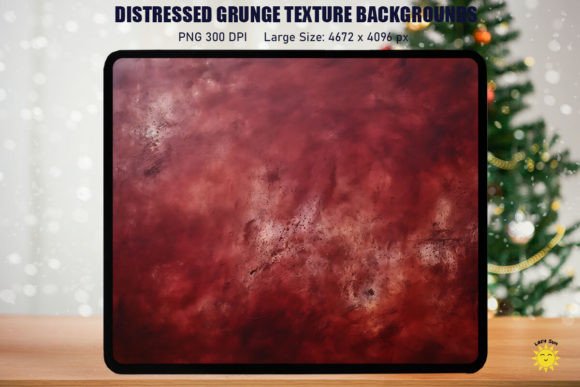
In a world saturated with clean vectors and glossy gradients, there is a growing hunger for authenticity. Designers are reaching for assets that feel tactile, historical, and grounded in reality. This is precisely where the Maroon Grunge Texture Backgrounds step in. These aren't just flat color swatches; they are digital surfaces that mimic the wear and tear of time. The deep maroon hue serves as a rich, sophisticated canvas, while the distressed overlays add a layer of grit and character that feels instantly familiar. It’s the visual equivalent of an old leather journal or a faded velvet curtain.
The Anatomy of the Distressed Aesthetic
When we talk about "grunge" in modern typography and background design, we aren't necessarily referring to the chaotic music scene of the 90s anymore. In the context of these backgrounds, it refers to a specific visual language of imperfection. The included PNG files feature a high resolution of 300 DPI, measuring approximately 4672 x 4096 pixels. This is crucial. It means the textures are not just web-ready; they are print-ready. You can zoom in on the "dust," the scratches, and the subtle color variations without seeing pixelation.
The personality of this asset is distinctly retro and antique. It evokes the feeling of a weathered warehouse wall or a vintage poster found in an attic. The maroon color itself is versatile—darker than a primary red, it suggests luxury, passion, and stability, but the distressed treatment strips away the corporate stiffness. It transforms the color from a mere background element into a storytelling device. It is a premium font companion, providing the perfect stage for typography to shine.
Integrating Grunge into Professional Branding
For entrepreneurs and brand strategists, the challenge is often how to use distressed grunge textures without looking unprofessional. The key is balance. These backgrounds are incredibly effective for brand identity work that targets audiences who appreciate craftsmanship, heritage, or a "maker" aesthetic. Think of a craft brewery, an artisan coffee shop, a vintage clothing line, or an indie record label.
When used in packaging design, the maroon texture creates an immediate tactile sensation. It suggests that the product inside has history and weight. In web design, using these as hero images or section dividers breaks up the monotony of flat UI trends, adding a layer of visual hierarchy that draws the eye. However, readability is paramount. Because the texture is detailed, it pairs best with cleaner typeface choices. A bold, geometric sans serif font or a sturdy serif font with high contrast will stand up against the "noise" of the background. Avoid overly delicate script fonts or handwritten fonts that might get lost in the scratches.
Practical Applications: From Screen to Print
The utility of these weathered texture backdrops extends far beyond simple background filler. Because the files are large and high-resolution, they are robust enough for commercial printing. Here is how different creators can leverage this asset:
- Social Media Graphics: In the fast-scrolling environment of Instagram or Pinterest, a textured background stops the thumb. It adds depth that flat colors lack, making text overlays pop. It is excellent for quote graphics or promotional announcements.
- Invitations and Cards: For events with a rustic or formal-rustic vibe—like a barn wedding or a gala with a vintage theme—these textures provide an elegant yet earthy foundation.
- Scrapbooking and Craft Projects: Digital scrapbookers will find the antique distressed backgrounds invaluable for layering. They mimic the look of real paper and cardstock, adding realism to digital memory keeping.
It is important to note the file specifications: the assets come in .ZIP format as PNG files. They are not SVGs, meaning they are raster images, not vector paths. They are not layered for cutting machines, but rather designed as surface textures. This distinction is vital for crafters who might be looking for cut files; these are best used as design assets for printing or digital compositing.
Mastering Visual Hierarchy with Texture
Using a Maroon Grunge Texture Background effectively requires an understanding of visual hierarchy. The texture is an active participant in the design. If you place a complex, busy display font over a heavily scratched grunge texture, the result will be illegible.
Instead, use the texture to create contrast. If your background is dark and textured, your foreground elements—logos, headlines, and body copy—need to be sharp and clean. This is where font pairing becomes an art. A heavy, industrial sans serif can look incredibly strong against the organic randomness of the grunge. Alternatively, a clean, modern serif font can create a beautiful tension between the old-world background and new-world typography.
Consider the color palette as well. While the base is maroon, the distressed areas will likely reveal lighter tones or darker shadows depending on the texture style. White text is a classic choice for high contrast, but a pale cream or "aged paper" color can enhance the vintage feel even further. When designing for social media banners or web backgrounds, ensure there is enough "breathing room" (negative space) in the texture so your message isn't fighting for attention.
Technical Considerations for Flawless Execution
Before incorporating these retro grunge textures into your workflow, a few technical checks are necessary. First, always check your color settings. The prompt notes that colors may vary depending on devices and printers. Maroon is a complex color that sits on the edge of red and brown. On a backlit screen, it will appear vibrant; on paper, it may absorb more ink and look darker. It is always wise to do a test print if you are using this for physical products like business cards or packaging.
Second, manage your layers. Since these are PNG files, they likely have transparency or a solid background. In graphic design software like Photoshop or Illustrator, place the texture on a layer above your background color. Use blending modes like "Multiply" or "Overlay" to integrate the texture seamlessly, or simply use the PNG as is if it covers the canvas. Because the size is generous (over 4600px wide), you have plenty of room to crop and resize without losing the high resolution quality.
Why Texture Matters in Modern Design
We live in an era of high-definition screens, yet we crave the imperfections of the physical world. Maroon Grunge Texture Backgrounds bridge that gap. They allow digital creators—whether they are working on a logo design, an editorial layout, or a creative font showcase—to inject humanity into their work. They remind the viewer that behind the pixels, there is a designer who cares about mood and atmosphere.
By choosing a distressed grunge texture, you are making a stylistic choice that says you value authenticity. It’s a powerful tool in the arsenal of any marketer, blogger, or small business owner looking to stand out. It provides the perfect balance of ruggedness and elegance, ensuring your next project doesn't just look good, but feels real.