Elevate Your Projects with Cool Tone Watercolor Backgrounds
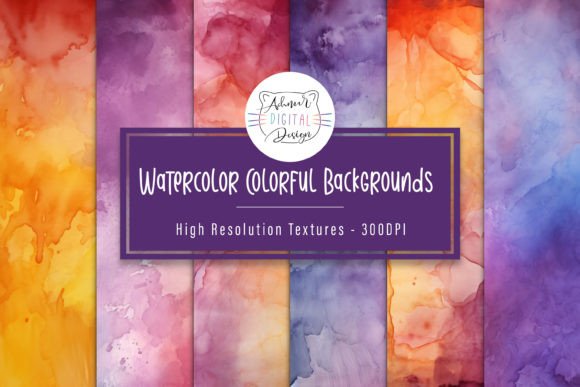
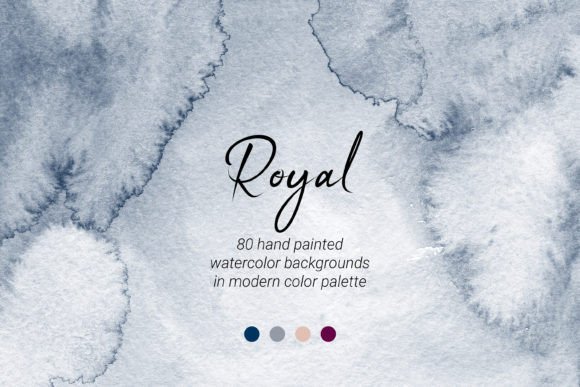
There is a specific kind of visual sophistication that comes from hand-painted textures. When we look at the ROYAL set of 80 watercolor backgrounds, we aren't just looking at digital files; we are looking at a toolkit designed to inject soul into modern design. In a landscape dominated by flat vectors and synthetic gradients, these Watercolor Backgrounds Cool Tones offer a tactile, organic alternative. The appeal lies in the "cool tones" palette—think slate blues, muted teals, soft lavenders, and ethereal grays. These colors evoke a sense of calm, professionalism, and modern elegance that warmer palettes often struggle to achieve in the digital space.
The collection consists of 20 distinct hand-painted designs, each expanded into a quadrant of color variations. This structure is incredibly practical for designers. It takes the guesswork out of color theory while maintaining the uniqueness of the brushwork. Whether you are building a brand identity for a high-end wellness spa or designing a book cover for a fantasy novel, the visual personality of these backgrounds is versatile enough to adapt to the narrative. They are not just "pretty pictures"; they are functional design assets that serve as the foundation for effective visual communication.
Practical Applications: From Print to Pixel
Understanding where to deploy these Watercolor Backgrounds Cool Tones is key to maximizing their value. The specifications—JPG files, 3600x3600 px, 12x12 in, 300 DPI, RGB—signal a versatility that spans both high-resolution print and crisp digital display.
Refining Brand Identity and Marketing
For entrepreneurs and small business owners, brand consistency is the bedrock of recognition. A cohesive color palette using these watercolor textures can define your brand identity. Imagine a set of business cards where the back features a subtle, slate-blue watercolor wash. It immediately communicates creativity and attention to detail without overwhelming the typography. In packaging design, these textures can differentiate your product on the shelf, offering a premium, artisanal feel that suggests quality ingredients or thoughtful curation.
For social media graphics, the cool tones are particularly effective. They provide a calming backdrop that allows white or dark text to pop, improving readability in busy feeds. Using the 20 different textures across your Instagram grid creates visual interest while the consistent color palette ensures the feed looks curated and professional.
Web Design and Digital Presence
In web design, texture is often the missing ingredient that separates a generic site from an immersive one. These backgrounds work exceptionally well for hero sections, header backgrounds, or even subtle overlays on portfolio pages. Because they are provided in high resolution, they can be scaled or cropped to fit various aspect ratios without losing the integrity of the brushstrokes. For bloggers and publishers, using these as featured image backgrounds can instantly elevate a post, making the content appear more authoritative and visually appealing.
The Strategic Role of Texture in Design
While we often focus on modern typography and layout grids, the background sets the emotional tone of the entire piece. The "cool tones" in this collection are not just colors; they are psychological cues. Blues and greens suggest trust, stability, and tranquility. By incorporating these Watercolor Backgrounds Cool Tones into your work, you are subconsciously influencing how your audience perceives your message.
Visual Hierarchy and Readability
One of the challenges with textured backgrounds is maintaining legibility. However, the hand-painted nature of these assets offers natural "white space" within the texture itself. This allows you to place text in areas where the wash is lighter, creating a natural visual hierarchy. For instance, when designing a wedding invitation, you might place the couple's names over a lighter area of the wash, using a bold serif font or an elegant script font to anchor the text against the fluid background.
Typography Pairing Strategies
The versatility of these backgrounds allows them to support a wide range of typefaces. However, font pairing requires careful consideration.
- Sans Serif Fonts: Clean, geometric sans serifs work beautifully against the organic chaos of watercolor. The contrast between the rigid geometry of the font and the fluid nature of the background creates a modern, balanced aesthetic suitable for tech startups or contemporary marketing materials.
- Serif Fonts: Traditional serifs can add a layer of classic sophistication. This combination works well for editorial design, book covers, or luxury branding where a sense of heritage and timelessness is desired.
- Script and Handwritten Fonts: While these can work, they require high contrast to be readable. A bold, dark handwritten font over a pale lavender wash can look stunning on greeting cards or social media quotes.
Maximizing Your Design Assets
Purchasing a set of 80 backgrounds is a significant investment in your creative toolkit. To ensure you get the most out of the ROYAL set, consider these practical implementation tips.
Customization and Editing
While the colors are curated, don't be afraid to tweak them. In software like Photoshop or Illustrator, you can adjust the hue and saturation to match a specific client’s hex code while retaining the texture. You can also layer these backgrounds. For example, taking a blue texture and layering it with a teal texture at 50% opacity can create a unique, deep-sea effect that is distinct from the original files. This allows for infinite variations, extending the life of your design assets significantly.
Evaluating Project Fit
Before selecting a background, ask yourself about the "temperature" of the project. The Watercolor Backgrounds Cool Tones are ideal for projects requiring a professional yet approachable vibe. They might be less suitable for aggressive, high-energy campaigns (like a clearance sale) but are perfect for thought leadership content, lifestyle branding, and creative portfolios.
Ultimately, these backgrounds are more than just filler; they are foundational elements that support your commercial font choices and layout structures. By treating the background as an active participant in the design rather than a passive element, you elevate the professionalism of your work. Whether you are a crafter looking to print unique greeting cards or a marketer building a landing page, the integration of hand-painted watercolor textures ensures your work stands out in a sea of digital sterility.